
Innovations in Non-Blood Glucose Monitoring Technology
Intro
The landscape of diabetes management is undergoing significant transformation, particularly as technology continues to evolve. In place of painful blood draws and cumbersome monitoring routines, the emergence of non-blood glucose meters offers a fresh perspective on how to handle glucose levels efficiently and comfortably. This shift not only aims to improve the user experience for those living with diabetes but also seeks to enhance the precision of glucose readings and overall health outcomes. As we delve into the world of these innovative technologies, it’s crucial to understand the latest advancements, the hurdles they face, and their potential impacts on diabetes management.
Methodology
Study Design
To gain a well-rounded understanding of non-blood glucose meters, this article employs a comprehensive review approach. The design encompasses a literature analysis of recent studies, technological developments, and hands-on reports from existing devices in the current market. This approach ensures that we consider not only the theoretical implications but also practical insights from users and healthcare professionals.
Data Collection Techniques
The data collection for this exploration integrates multiple sources:
- Peer-reviewed journals: These sources provide rigorous scientific insights into the efficacy and design of non-invasive glucose monitoring technologies.
- Industry reports: Insights from market analysis on trends and new products allow us to stay updated on what new innovations are on the horizon.
- User testimonials: Real-life accounts from patients who use these devices provide perspective on comfort, usability, and accuracy, painting a clearer picture of their effectiveness in daily life.
Discussion
Interpretation of Results
The efficacy of non-blood glucose meters hinges on several innovative techniques, including transdermal sensors, optical coherence tomography, and continuous glucose monitoring through interstitial fluid analysis. Each method leverages unique technological advancements to reduce reliance on traditional blood sampling. Research shows that these devices can indeed provide readings that are comparable, if not superior, in terms of frequency and immediacy while minimizing discomfort and anxiety among patients.
Limitations of the Study
Despite the growth and promise of non-blood testing options, several hurdles remain. Some challenges include:
- Accuracy concerns: While advances have been made, questions still exist about the precision of readings compared to blood samples, creating hesitation among both patients and healthcare providers.
- Regulatory hurdles: New technologies must navigate a lengthy and complex approval process, which can slow their introduction to the market.
- Patient education: Many users are not fully aware of how to integrate these devices into their daily lives, leading to underutilization.
Future Research Directions
Looking ahead, there is significant potential for further exploration in this domain. Future research could focus on:
- Enhancing the sensitivity and reliability of non-blood glucose meters, potentially driving adoption rates further.
- Investigating new non-invasive technologies and methods that leverage artificial intelligence to predict glucose levels based on various factors, such as activity level and food intake.
- Developing educational initiatives to help patients better understand and utilize these devices for optimum health management.
“The move towards non-invasive glucose monitoring is not merely an advancement in technology; it reflects a deep understanding of the human experience and a commitment to improving lives.”
In summary, the evolution of non-blood glucose meters marks a significant leap forward in diabetes care. By continuing to explore these innovations, we can unveil solutions that could dramatically alter the way individuals manage their diabetes and ultimately enhance their quality of life.
For detailed studies and further reading, consider exploring resources like PubMed or Diabetes Care for journal articles and peer-reviewed research on this emerging field.
Prelims to Non-Blood Glucose Meters
Diabetes management requires constant monitoring of blood glucose levels, which has traditionally involved painful finger pricks. In recent years, however, non-blood glucose meters have emerged as a beacon of hope for many individuals living with diabetes. These innovations promise a more comfortable, accessible, and less invasive means of tracking glucose levels.
The importance of exploring non-blood glucose meters lies not just in their practicality but also in how they can positively impact the daily lives of those with diabetes. Painless readings can lead to increased monitoring frequency and better glucose control, potentially decreasing the risk of complications over time. This topic deserves attention not just from patients, but also from healthcare professionals who are looking to enhance their patients' quality of life.
Historical Context
The journey toward non-blood glucose monitoring has been paved with both challenges and breakthroughs. In the early days of diabetes care, the best method for tracking glucose levels was by using urine tests, which were not very accurate. Fast forward to the 1980s, and the advent of traditional blood glucose meters offered a more precise solution albeit with discomfort. The late 20th century saw the introduction of continuous glucose monitors; however, these devices still relied on blood samples.
The real breakthrough for non-blood glucose monitoring began in the early 2000s, focusing on alternative fluids such as interstitial fluid and even saliva. Startups and tech companies began experimenting with wearable devices, utilizing sensors to measure glucose without blood sampling. As we move into 2023, several products that assess glucose levels through tears and sweat are already reaching the market. It is clear that the historical context of non-blood glucose meters is rich, filled with inspirations drawn from necessity.
Importance in Diabetes Management
Non-blood glucose meters stand to revolutionize diabetes management for multiple reasons:
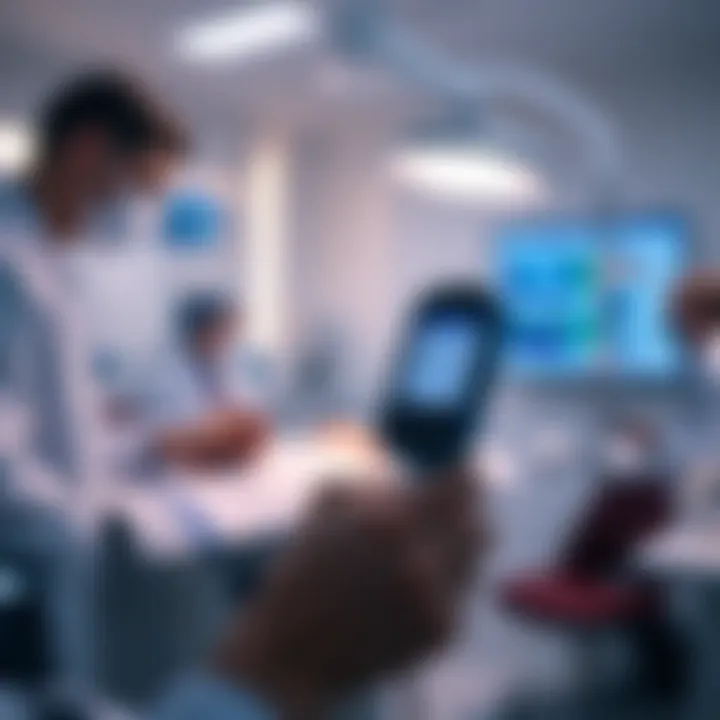
- Enhanced Patient Comfort: One of the foremost benefits is the reduction of discomfort associated with traditional blood sampling. An individual can easily monitor their glucose levels without the sting of a needle, making it more likely they will stay on top of their testing routines.
- Frequent Monitoring: With painless methods, patients may feel emboldened to check their glucose levels more frequently. This kind of consistent monitoring can lead to more informed lifestyle and dietary choices, ultimately enhancing their health.
- Convenience and Accessibility: Non-blood glucose meters usually come in the form of wearables that fit seamlessly into daily life. The accessibility of these devices could democratize diabetes management, allowing people who may have avoided traditional blood testing to engage more actively in their care.
- Data-Driven Insights: Many of these devices integrate technology that not only tracks glucose levels but also pushes historical data and trends to users via mobile apps. This data can empower users to make real-time decisions regarding their diet, exercise, and medication.
"The evolution from blood glucose monitoring to non-invasive methods marks a significant turn in personal healthcare technologies, empowering patients like never before."
Mechanisms of Non-Blood Glucose Monitoring
In recent years, the management of diabetes has taken a significant turn as innovations in technology pave way for a more comfortable patient experience. Non-blood glucose monitoring mechanisms are now pivotal in this transformation, offering a paradigm shift that alleviates the pain and inconvenience of traditional blood sampling. When we delve into this topic, it becomes clear how these mechanisms not only expand the options available for diabetes management but also enhance precision and accessibility.
Transdermal Technologies
Transdermal glucose monitoring is a compelling development within this framework. Designed to measure glucose levels through the skin, these devices offer a painless alternative for patients. Various technologies are employed in this space, but central to the innovation is the use of microneedles or adhesive patches.
The microneedles, as tiny as a grain of sugar, puncture the outermost layer of skin without reaching deeper nerve endings, thereby minimizing discomfort. These devices contain sensors that can continuously monitor glucose levels in the interstitial fluid. As a result, one significant benefit is the capacity for real-time readings, providing patients with timely insights into their glucose levels.
- Continuous Glucose Monitoring (CGM): This system is one of the breakthroughs in transdermal technology. It provides patients with continuous data streams, allowing for proactive management of their conditions.
- Smartphone Integration: Many of these devices can sync with smartphones, enhancing ease of tracking. This feature promotes user engagement by enabling individuals to visualize their data in practical ways.
However, it’s important to keep in mind the nuances. While transdermal devices can significantly ease the tracking process, their effectiveness can be influenced by several factors, such as skin type, temperature, and hydration levels. For instance, variations in skin permeability might affect how accurately these sensors measure glucose. Therefore, continuous research and adaptation of these technologies remain imperative.
Salivary and Tear Fluid Biometrics
Shifting our focus to less conventional methods, we find salivary and tear fluid biometrics emerging as promising alternatives for glucose monitoring. These methods utilize biological markers present in saliva and tears, facilitating the non-invasive monitoring of blood glucose levels. The allure of such approaches lies in their potential for simplicity and comfort, removing the need for even the minimal invasiveness associated with skin penetration.
Saliva, for example, contains glucose that can be correlated with blood glucose levels, and recent advancements in biosensor technology can utilize this biomarker effectively. Tear fluid also presents a unique opportunity - it is less refined but can still yield pertinent glucose levels reflective of a person's physiological state.
- Advantages: The most significant benefit here is the ability to collect samples without any discomfort. Furthermore, saliva and tears are continually produced, providing a steady stream of data.
- Challenges: However, while the appeal of these methods is strong, the current technology has limitations. The concentrations of glucose in these fluids are much lower than in blood, making it a challenge to achieve the same level of accuracy and reliability. Moreover, environmental factors could also affect the readings.
In sum, both transdermal technologies and salivary/tear fluid biometrics mark significant strides towards less invasive glucose monitoring solutions. As researchers continue to explore these avenues, it becomes evident that mechanisms in non-blood glucose monitoring possess the potential not only to improve patient experience but also to redefine the landscape of diabetes management. Insights gleaned from these technologies could ultimately lead to better health outcomes and a more engaged patient population.
"Transforming how individuals manage diabetes requires not just innovation but a keen understanding of the lived experiences of these patients. Their comfort and compliance should always be at the forefront of technological advancements."
For more resources and information on these innovative technologies, check out Wikipedia, Britannica, or visit Reddit for community discussions.
Types of Non-Blood Glucose Meters
The landscape of diabetes management is rapidly evolving, and understanding different types of non-blood glucose meters is crucial for patients and healthcare practitioners alike. These devices provide alternatives to traditional blood sampling, offering the potential for improved compliance and quality of life for individuals dealing with diabetes. The significance of these meters cannot be overstated, as they save patients from the discomfort often associated with finger-prick tests and could possibly lead to more frequent monitoring and better glycemic control.
Optical Glucose Sensors
Optical glucose sensors represent a fascinating advancement in the non-blood glucose monitoring realm. These devices operate on the principle of light absorption and reflection, specifically targeting the glucose molecules present in bodily fluids. Utilizing methods like near-infrared spectroscopy, they promise non-invasive measurements through the skin without requiring any blood sample.
One exemplary advantage of optical sensors is their capacity for continuous glucose monitoring. Patients can benefit from real-time data, which means they can respond to glycemic fluctuations promptly. This tech also has the potential for integration with mobile devices, allowing users to track their glucose levels seamlessly.
However, despite their prospects, there are considerations to keep in mind. Calibration can be an issue, as the accuracy may fluctuate based on the individual's skin properties or external factors like temperature. Therefore, while optical glucose sensors are promising, their practical application needs to overcome these challenges for widespread acceptance.
Electrochemical Devices
Electrochemical devices take a different approach, utilizing electrochemical reactions to detect glucose levels in interstitial fluid or other body fluids. These devices typically involve enzyme reactions that occur when glucose interacts with electrodes, producing an electrical signal proportional to the glucose concentration present.
These devices are lauded for their precision and responsiveness, often demonstrating impressive accuracy under various conditions. This makes them suitable for both personal and clinical use. Devices like the FreeStyle Libre or the Dexcom G6 have become lifelines for many, allowing for accurate and reliable glucose monitoring without the need for frequent blood samples.
Nonetheless, there's a trade-off. The need for calibration and the variability in readings can lead to caution among users. Moreover, they require regular maintenance, which can be daunting for some. Overall, while electrochemical devices offer significant reliability, usability must constantly be evaluated to optimize their integration into everyday life.
Microneedle Technology
Microneedle technology is another innovative frontier in non-blood glucose monitoring, pushing the envelope further toward painless monitoring. Tiny needles, often smaller than a human hair, penetrate the outer layer of the skin just enough to access interstitial fluid. These devices facilitate efficient glucose monitoring without the discomfort associated with traditional needle pricks.


Users appreciate microneedles for their simplicity and minimal invasiveness. They can often be integrated into wearable devices that continuously measure glucose levels, thereby providing insights into how glucose levels fluctuate throughout the day. By employing this technology, patients can avoid the emotional and physical distress associated with frequent blood tests.
Still, challenges remain. The manufacturing process can be costly, and achieving optimal penetration depth is essential for accurate readings. Additionally, as with any new technology, regulatory approvals and patient acceptance are vital elements for future developments in this area.
In summary, understanding these diverse types of non-blood glucose meters not only informs patients and healthcare providers about advanced solutions for diabetes management but also heralds a shift toward more humane and user-friendly approaches in medical technology. The ongoing innovations surrounding these devices will undoubtedly continue to shape the future of diabetes care, leading to better outcomes for all involved.
Clinical Validation and Reliability
In the realm of managing diabetes, clinical validation and reliability of monitoring devices cannot be overstated. With an increasing shift towards non-blood glucose meters, understanding the nuances of clinical validation becomes crucial, not just for regulatory bodies, but for patients and healthcare providers alike. These devices must consistently demonstrate their ability to accurately measure glucose levels without the inconvenience and discomfort associated with traditional blood draws. Effective clinical validation ensures that these innovations deliver the expected benefits, supporting healthier lifestyle choices and better health outcomes.
Regulatory Considerations
When it comes to healthcare devices, regulatory considerations play a pivotal role in ensuring patient safety and efficacy. Organizations such as the FDA in the United States or the EMA in Europe set strict guidelines for any device that enters the market. Non-blood glucose meters must pass through stringent examination processes before being approved for clinical use.
For instance, a non-invasive glucose meter must provide sufficient data to prove its clinical efficacy through extensive trials. These trials often compare the new device's readings against those from well-established blood glucose meters. Regulatory bodies may look at factors like:
- Device Safety: Ensuring that the device poses no harm to users during testing.
- Effectiveness: Validating that the device consistently delivers accurate readings within an acceptable range.
- User Experience: Assessing ease of use in real-life scenarios.
Collectively, these factors help establish a solid foundation of trust around non-blood glucose meters, reinforcing their role in diabetes management.
Accuracy and Precision Tests
Accuracy and precision tests are the backbone of device reliability. These tests evaluate how closely a non-blood glucose meter's readings align with actual blood glucose concentrations. More so, they look at the precision, which determines how consistently a device can replicate results under identical conditions.
During clinical trials, several key methodologies are employed:
- Internal Testing: Device manufacturers conduct initial tests in controlled environments to gauge baseline performance.
- Cross-Comparison Trials: Comparing a new non-blood meter against traditional meters in various conditions, such as fasting and postprandial states (after eating).
- Long-term Monitoring: Evaluating the device over an extended period helps to understand its performance variability under diverse conditions.
"A device that provides fluctuating or erratic readings can lead to serious health implications for individuals relying on this technology for everyday diabetes management."
For patients, knowing that a non-blood glucose meter has passed rigorous accuracy and precision tests means they can manage their condition with a greater sense of assurance.
Patient Experience and Compliance
In the landscape of diabetes management, patient experience and compliance with monitoring methods stand as major pillars in achieving successful health outcomes. As we move towards non-blood glucose meters, understanding how these innovations affect everyday users is paramount. It's not just about the technology; rather, it’s significantly about how these tools integrate into the lives of patients. The adoption of a new glucose monitoring device hinges on its ability to simplify the process and ultimately enhance the user’s quality of life.
User-Centric Features
For patients navigating diabetes, user-centric features of non-blood glucose meters are crucial. They can drastically alter how individuals approach day-to-day management. This means the design must focus on ease of use, accessibility, and integration into daily routines. Here are a few key aspects that are important:
- Ease of Use: Devices that are straightforward to operate encourage self-monitoring. A potential user should be able to pick up the device and get accurate readings without needing extensive manuals or technical skills.
- Portability: As many patients desire to maintain an active lifestyle, compact and lightweight designs enable users to carry their glucose monitors with ease. Imagine being able to check your glucose levels discreetly during a meeting or at a cafe.
- Real-Time Data and Alerts: Modern meters that connect to smartphones not only offer real-time readings but also send alerts, thereby acting proactively. These features can prevent dangerous sugar highs and lows, providing peace of mind.
- User Interface: Intuitive digital interfaces, often with visual prompts and touch-screen accessibility, play a role in making the monitoring experience more friendly, especially for the elderly or less tech-savvy individuals.
The emphasis should be on creating tools that feel seamless rather than cumbersome. Adding appealing design elements—like customizable display options—keeps users engaged, thus contributing to higher compliance rates.
Adherence Challenges
Despite the advancements in non-blood glucose monitoring technology, various adherence challenges persist. While technology can facilitate better health management, it cannot eliminate the obstacles that patients face on a daily basis. Here are some common hurdles:
- Cost Barriers: Not all innovative devices are budget-friendly. Many patients face insurance limitations or out-of-pocket costs that can deter them from acquiring the most advanced tools available.
- Training: While many devices are designed for ease, initial training on new technology can be daunting. Users may feel overwhelmed, leading to lack of usage or improper usage—especially if they did not receive adequate training from healthcare providers.
- Mental Barriers: The stigma associated with diabetes itself can deter people from using monitoring devices regularly. Some may feel embarrassed to check their levels in public or might not want to exacerbate feelings of anxiety related to their condition.
- Data Overload: Real-time data can sometimes be a double-edged sword. While immediate feedback is beneficial, excessive data without proper interpretation can lead to confusion and anxiety, preventing proper compliance.
In light of these challenges, it's critical for manufacturers and healthcare providers to work together, addressing these concerns through comprehensive educational resources and accessible pricing models.
"Innovations meant to improve lives must also consider the psychological and financial realities of those who will use them."
As we look forward to the future in diabetes management, understanding how to bridge these gaps in patient experience is essential. The objective is to not just create devices—but to foster a comprehensive ecosystem around them that encourages continuous and empowering care.
Comparative Analysis with Traditional Meters
When delving into the realm of diabetes management, understanding the differences between traditional blood glucose meters and non-blood monitoring systems is crucial.
Traditional meters require a drop of blood, commonly obtained through finger pricking. While these devices have been trusted for years in clinical and personal environments, non-blood glucose meters present an alternative that could revolutionize diabetes care. The importance of comparative analysis lies in identifying not just the effectiveness of both types of devices, but also recognizing their respective roles in enhancing patient experience and health outcomes.
Pros and Cons
The advantages and disadvantages of non-blood glucose meters compared to traditional systems can be significant.
Pros:
- Painless Monitoring: One of the most compelling features is the elimination of blood sampling. For many individuals, especially children or those with needle phobia, this leads to a far more comfortable management process.
- Real-time Data: Many non-blood methods offer continuous monitoring capabilities, providing information regarding glucose levels at a moment's notice without the need for multiple finger pricks throughout the day.
- Enhanced Compliance: Patients are more likely to adhere to monitoring recommendations when they use a device that is less invasive and has a user-friendly interface.
- Potential for Improved Accuracy: With advancements in technology, some non-invasive devices are showing promising accuracy that rivals traditional methods.
Cons:
- Reliability Issues: Not all non-blood meters are created equal. Some have faced scrutiny regarding their reliability and accuracy under various physiological conditions.
- Cost Considerations: While some non-invasive technologies may initially seem more appealing, the overall financial implications can vary based on insurance and device lifespan compared to traditional meters.
- Limited Acceptance in Clinical Guidelines: As non-blood methods continue to emerge, their acceptance in clinical practices is still evolving. Some practitioners may be hesitant to fully back these technologies without extensive data supporting their efficacy.
Healthcare Cost Implications
In an era of rising healthcare costs, the financial aspect of diabetes management cannot be overlooked. Non-blood glucose meters have the potential to impact spending significantly.
- Initial Investment vs Long-term Savings: Some non-invasive devices may require a higher up-front cost. However, if these devices lead to better adherence and fewer hospital visits due to complications, patients could ultimately save money in the long run.
- Insurance Coverage: Coverage for new technologies often lags behind advancements. Some insurance providers may still only cover traditional blood glucose meters, which can create a financial burden on consumers exploring innovative options.
- Evolving Market Dynamics: As competition increases among manufacturers of non-blood glucose meters, prices could stabilize or even decrease. This might encourage broader adoption, ultimately shifting treatment paradigms in diabetes management.
"Adoption of innovative healthcare technologies may lead to better outcomes but requires easing the financial burdens on patients for widespread acceptance."
Future Trends in Non-Blood Glucose Monitoring
The evolution of non-blood glucose monitoring is not simply about convenience; it's an intricate dance of technology, patient care, and market adaptability. Staying ahead in diabetes management involves looking beyond what is currently available. This section dives into the future trends in this space, stressing the importance of technological advancements and market dynamics shaping how glucose levels may be monitored without the discomfort of traditional blood sampling.
Technological Innovations
Recent years have brought about fascinating technological advancements that push the boundaries of what is possible in glucose monitoring. New sensors are emerging that harness the principles of biosensors and nanotechnology, aiming to achieve greater accuracy and lower costs.
- Wearable Devices: These compact gadgets are not limited to smartwatches anymore. New concepts utilize skin adhesives embedded with micro-sensors capable of monitoring glucose fluctuations in real-time. These devices might soon eliminate the need for finger pricks entirely—something that would change the routine for many.
- Continuous Glucose Monitors (CGMs): These instruments, already gaining traction, might become less intrusive thanks to upcoming innovations. Next-generation CGMs are expected to use subcutaneous sensors that automatically calibrate, ensuring precise readings without the need for regular calibration or patient intervention.
- Artificial Intelligence Integration: It's impossible to ignore AI's role in the future of glucose monitoring. By analyzing vast amounts of data from various sources, AI can predict glucose levels and offer tailored dietary and lifestyle recommendations. This personalized approach holds promise in managing diabetes more effectively.
The combination of these technologies could significantly improve user experience. For individuals living with diabetes, this means less hassle, more comfort, and potentially better health outcomes.
Market Insights
The market for non-blood glucose meters is rapidly evolving, reflecting both technological capabilities and consumer demand. This trend demands a closer look, considering various factors influencing its growth.
- Increased Awareness and Education: Patients are becoming more educated about their condition and the technologies that can ease their management. This heightened awareness is paving the way for the acceptance of non-invasive options that once seemed like mere science fiction.
- Cost Efficiency: As production techniques improve and competition increases, the costs of these non-invasive devices are likely to decline. This price reduction may boost market penetration significantly. When patients can access affordable devices without sacrificing quality, the shift away from traditional meters will accelerate.
- Regulatory Decisions: The approval process for novel technologies can be complex. However, as regulatory bodies begin to recognize the importance and impact of non-blood glucose meters, faster approvals could invigorate the market. Companies may invest in more advanced research and development, leading to further innovation.
- Demographic Trends: The growing global population afflicted with diabetes is a critical factor. As more people seek efficient diabetes management solutions, the demand for non-invasive monitors is set to rise. Moreover, the integration of telehealth services presents new opportunities for these devices, enhancing how glucose data is transmitted and analyzed.
The combined effects of heightened awareness, cost opportunities, regulatory advancements, and demographic shifts could reshape the entire landscape of diabetes management.
The End
In discussing non-blood glucose meters, it's clear that we are standing at the forefront of a significant transformation in diabetes management. This section wraps up the insights we've explored regarding these innovative tools and their growing relevance in health care today.
Summation of Findings
Non-blood glucose meters offer an alternative to traditional blood sampling methods, which are often perceived as painful and intrusive. Technologies such as optical sensors, transdermal systems, and microneedle devices represent significant advancements that promise to enhance patient comfort and adherence to monitoring protocols. Key findings from various studies indicate that many of these new technologies provide comparable accuracy to conventional meters, albeit with the caveat that continuous research and clinical validation are needed.
The emphasis on user-centric features, like real-time data synchronization and easy readability, highlights the trend towards creating devices that fit seamlessly into daily life. Patients, particularly those who may struggle with conventional methods, are finding that these innovative solutions could lead to better management of their conditions.
"Innovation in diabetic care should not just be about the device itself, but about creating a holistic experience for the patient."
Implications for Future Research
Looking ahead, the implications for future research in the field of non-blood glucose monitoring are vast and multifaceted. As technology continues to advance, there is an urgent need to address some potential gaps that still exist. This includes not only improving the accuracy and reliability of these devices but also ensuring they are accessible and affordable to all patients, regardless of socio-economic status. Furthermore, extensive longitudinal studies will be essential for understanding the long-term benefits and potential drawbacks of these new technologies.
Moreover, incorporating patient feedback into the design process will be crucial in creating tools that genuinely meet the needs of users. Engaging interdisciplinary teams, including engineers, healthcare providers, and patients, in the development process will likely yield more effective and innovative solutions. As such, future explorations should emphasize collaboration, encouraging shared research efforts to enhance the care experience for patients managing diabetes.